Acne Causes, Symptoms & Treatment | Dr. Javeria – Best Dermatologist in UAE
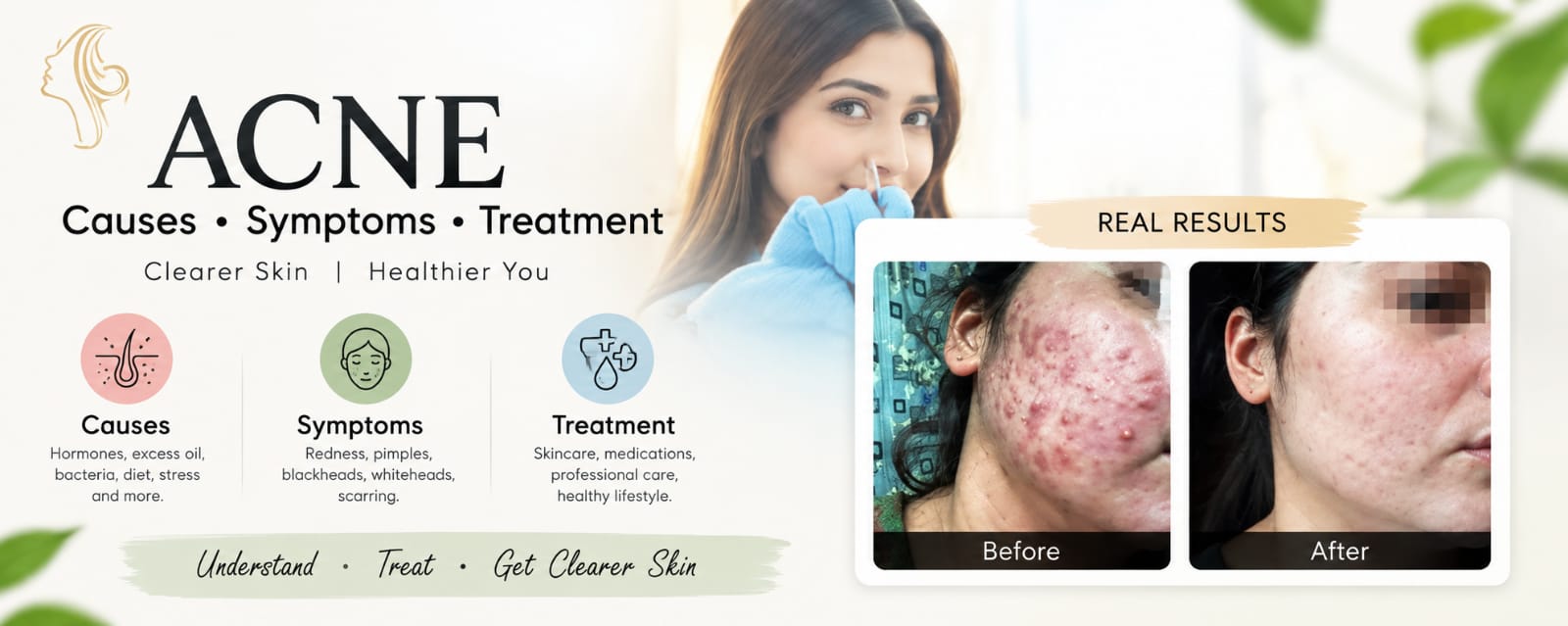
Acne is one of the most common skin conditions affecting millions of people worldwide. Although it is often associated with teenagers, acne can occur at any age and significantly impact confidence and quality of life. Understanding the causes, recognizing the symptoms, and seeking timely treatment can help prevent long-term skin damage and scarring. Dr. Javeria – Best Dermatologist in UAE
If you are struggling with persistent acne, consulting Dr. Javeria, one of the best dermatologists in UAE, can help you receive a personalized treatment plan tailored to your skin type and concerns. Professional skin treatment in Dubai offers advanced solutions that target acne at its source while improving overall skin health.
What is Acne?
Acne is a chronic inflammatory skin condition that develops when hair follicles become clogged with excess oil (sebum), dead skin cells, and bacteria. It commonly appears on the face, chest, shoulders, upper back, and neck because these areas contain a higher number of oil-producing glands.
Acne can range from mild blackheads and whiteheads to painful cysts and nodules. Early diagnosis and treatment are essential to prevent permanent acne scars and pigmentation.
What Causes Acne?
Several factors contribute to acne development, and understanding these triggers is the first step toward effective treatment.
1. Excess Sebum Production
The sebaceous glands naturally produce oil to keep the skin moisturized. When too much oil is produced, pores become blocked, leading to acne breakouts.
2. Clogged Hair Follicles
Dead skin cells can accumulate inside pores instead of shedding naturally. Combined with excess oil, they create the perfect environment for acne formation.
3. Bacterial Growth
A naturally occurring skin bacterium can multiply inside clogged pores, triggering inflammation, redness, and swelling.
4. Hormonal Changes
Hormonal fluctuations during puberty, pregnancy, menstruation, or conditions such as polycystic ovary syndrome (PCOS) can stimulate oil production and increase acne.
5. Genetics
A family history of acne may increase your likelihood of developing persistent breakouts.
6. Stress
Although stress does not directly cause acne, it can worsen existing breakouts by increasing hormone levels that stimulate oil production.
7. Diet
Some people notice worsening acne after consuming foods with a high glycemic index or excessive dairy. Responses vary from person to person.
8. Cosmetics and Skincare Products
Using heavy or pore-clogging products may contribute to acne. Choosing non-comedogenic skincare products can help reduce the risk.
Common Symptoms of Acne
Acne appears in different forms depending on its severity.
Non-Inflammatory Acne
- Whiteheads
- Blackheads
Inflammatory Acne
- Papules
- Pustules
- Nodules
- Cystic acne
Other symptoms may include:
- Redness
- Swelling
- Tenderness
- Oily skin
- Post-acne pigmentation
- Acne scars
Types of Acne
Comedonal Acne
Characterized mainly by blackheads and whiteheads.
Inflammatory Acne
Includes red, swollen pimples caused by inflammation.
Cystic Acne
A severe form of acne that develops deep beneath the skin and often causes permanent scarring without proper treatment.
Hormonal Acne
Frequently affects adults, especially women, with breakouts around the jawline and chin.
Risk Factors
You may be more likely to develop acne if you:
- Have oily skin
- Experience hormonal changes
- Have a family history of acne
- Live in humid climates
- Wear tight clothing or helmets that create friction
- Use unsuitable skincare products
How Acne is Diagnosed
A dermatologist typically diagnoses acne through a clinical examination. In persistent or severe cases, additional evaluation may be recommended to identify contributing hormonal or medical factors.
Seeking advice from Dr. Javeria, one of the best dermatologists in UAE, ensures an accurate diagnosis and a treatment plan tailored to your skin.
Acne Treatment Options
The best treatment depends on the type and severity of acne.
Topical Treatments
A dermatologist may recommend topical medications to help:
- Unclog pores
- Reduce bacteria
- Control inflammation
- Improve skin cell turnover
Oral Medications
For moderate to severe acne, oral medications may be prescribed when appropriate to help reduce inflammation and control breakouts.
Chemical Peels
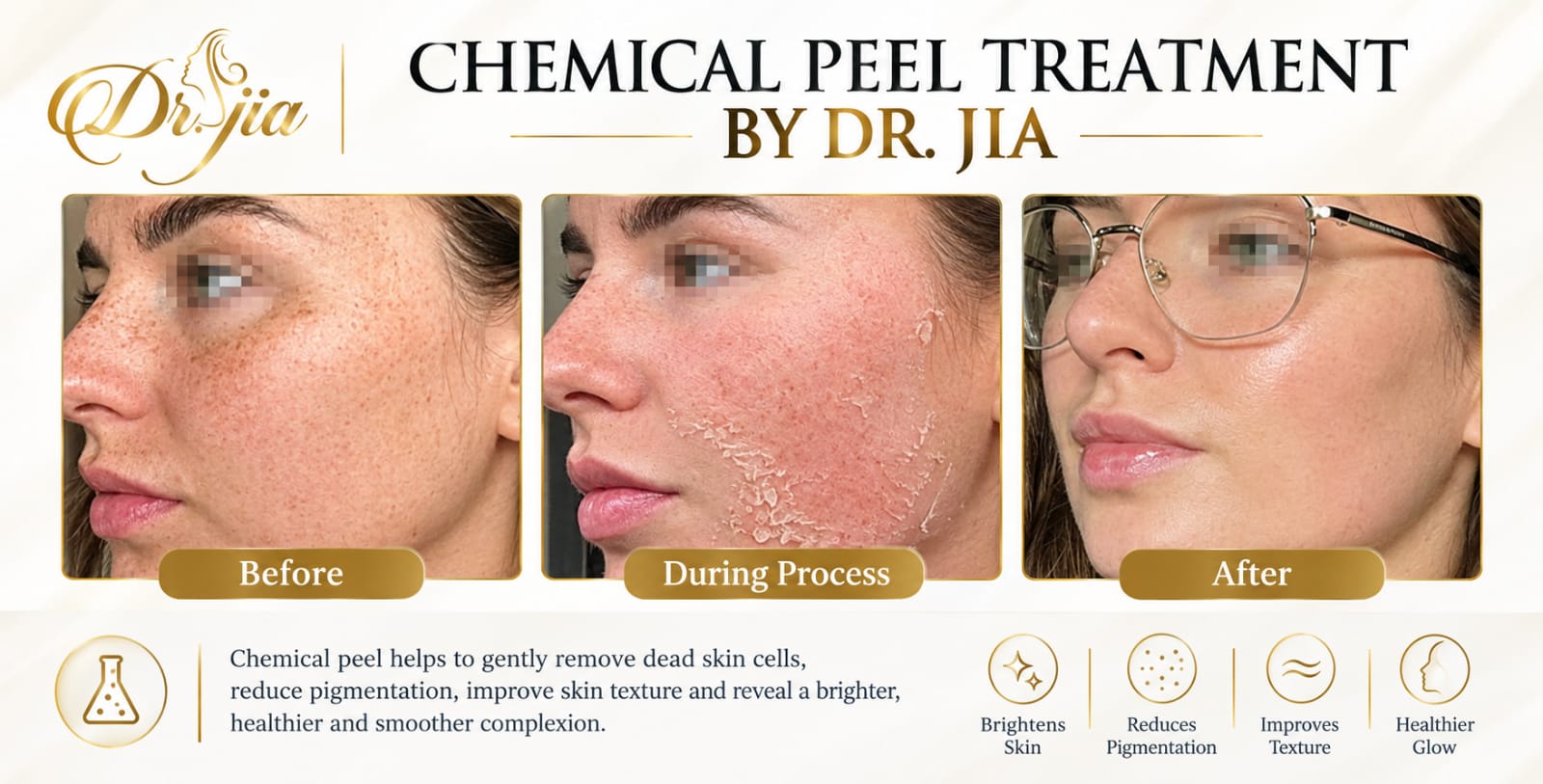
Chemical peels remove damaged skin cells, improve skin texture, and help reduce acne marks.
Laser and Light Therapy
Advanced laser and light-based treatments can reduce acne-causing bacteria, calm inflammation, and improve the appearance of acne scars.
Acne Scar Treatments
Professional treatments for acne scars may include:
- Microneedling
- Fractional laser resurfacing
- Chemical peels
- Subcision
- Radiofrequency microneedling
Customized Skin Treatment in Dubai
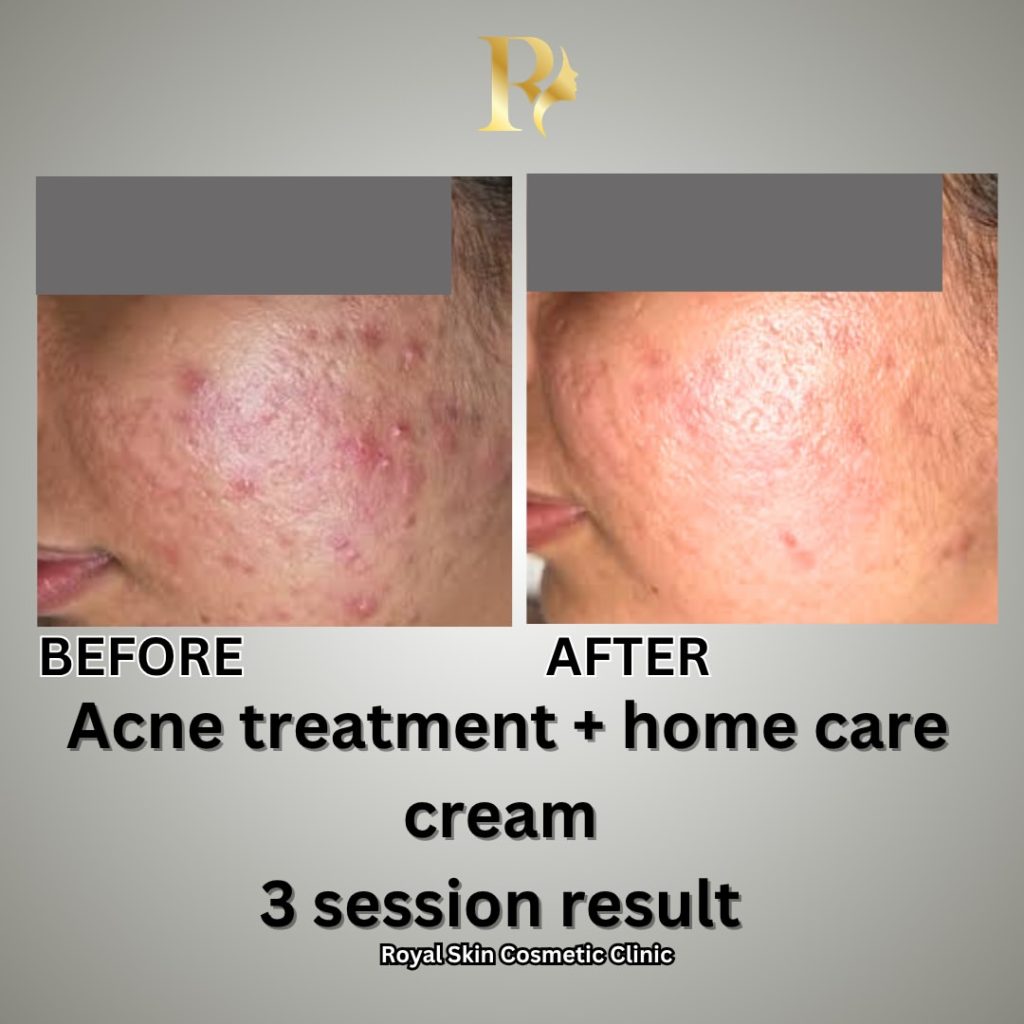
Professional skin treatment in Dubai combines advanced technology with individualized care to manage active acne, improve skin texture, and reduce the appearance of scars.
Daily Skincare Tips for Acne-Prone Skin
To support clearer skin:
- Wash your face twice daily with a gentle cleanser.
- Avoid scrubbing aggressively.
- Use oil-free, non-comedogenic skincare and makeup.
- Apply sunscreen every day.
- Remove makeup before sleeping.
- Avoid picking or squeezing pimples.
- Keep hair clean if it tends to be oily.
- Maintain a balanced diet and healthy lifestyle.
Can Acne Be Prevented?
Although acne cannot always be prevented, healthy skincare habits can reduce the frequency and severity of breakouts.
Preventive measures include:
- Cleansing regularly
- Moisturizing with non-comedogenic products
- Wearing sunscreen daily
- Managing stress
- Following a dermatologist-recommended skincare routine
- Seeking treatment early before scarring develops
When Should You See a Dermatologist?
Consult a dermatologist if you experience:
- Painful cystic acne
- Frequent breakouts
- Acne that leaves scars
- Acne that does not improve with over-the-counter products
- Acne affecting your confidence or daily life
Early treatment can prevent complications and improve long-term skin health.
Dr. Javeria – Best Dermatologist in UAE
Why Choose Dr. Javeria?
Finding the right dermatologist is essential for successful acne management. Dr. Javeria, recognized by many patients as one of the best dermatologists in UAE, provides personalized care using evidence-based treatments tailored to each patient’s needs. Whether you have mild acne, hormonal acne, or severe cystic acne, individualized treatment can help you achieve healthier, clearer skin. Dr. Javeria – Best Dermatologist in UAE
Patients seeking professional skin treatment in Dubai benefit from comprehensive evaluations, customized treatment plans, and modern dermatological procedures designed to address both active acne and acne scars.
Frequently Asked Questions
Does acne only affect teenagers?
No. Acne can affect teenagers and adults of all ages.
Can acne scars be treated?
Yes. Many acne scars can be improved with dermatologist-recommended procedures such as laser treatments, microneedling, and chemical peels.
How long does acne treatment take?
Improvement often takes several weeks to months, depending on the severity of acne and the treatment plan.
Is sunscreen important for acne-prone skin?
Yes. A broad-spectrum sunscreen helps protect the skin and may reduce the risk of post-inflammatory pigmentation.
Conclusion
Acne is a manageable skin condition when treated early and appropriately. Understanding its causes, recognizing the symptoms, and following a personalized treatment plan can significantly improve skin health and reduce the risk of permanent scarring.
If you are looking for expert care, Dr. Javeria, one of the best dermatologists in UAE, offers personalized acne management and advanced skin treatment in Dubai to help patients achieve healthier, clearer skin through evidence-based dermatological care. Dr. Javeria – Best Dermatologist in UAE