Eczema: Understanding the aczema types, causes and Effective treatment
Eczema types causes and Effective treatment : Eczema, also known as atopic dermatitis, is a chronic skin condition that affects millions of people worldwide. It is characterized by dry, itchy, and inflamed patches of skin, often causing significant discomfort and distress. Although eczema can manifest at any age, it is most commonly seen in infants and young children. This article aims to provide a comprehensive understanding of the causes of eczema. Explore effective treatment options available on an international level.
Eczema is a common skin condition that affects millions of individuals worldwide, causing discomfort and frustration for those who experience its symptoms. Understanding the different types of eczema and their specific characteristics is crucial in effectively managing the condition.
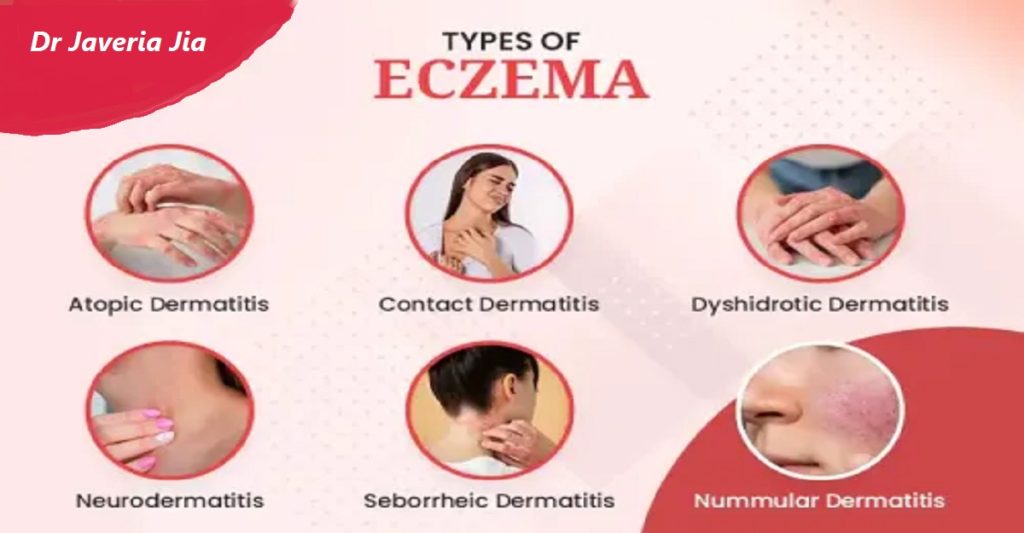
In this comprehensive article, we delve into the various types of eczema. Types are atopic dermatitis, contact dermatitis, nummular eczema, dyshidrotic eczema, and seborrheic dermatitis. By exploring the symptoms, treatment options available on an international level. Also, management strategies for each type, we aim to provide valuable insight into coping with eczema and improving skin health.
Understanding Eczema: Causes and Triggers
Genetic Factors
Ever wonder why your cousin’s cousin’s cousin also has eczema? It’s not just a random coincidence. Genetic factors play a role in eczema, so you can blame your ancestors for passing down those sensitive skin genes.
Environmental Triggers
Picture this: you’re chilling on a sunny beach, feeling all relaxed, and suddenly, your eczema decides to throw a tantrum. Environmental triggers like pollen, pet dander, and even the weather can set off your eczema. Mother Nature can be quite the troublemaker sometimes.
Understanding the Common Triggers
Eczema triggers vary from person to person, but common triggers include:
– Allergens such as pollen, pet dander, and dust mites
– Irritants like soaps, detergents, and certain fabrics
– Microbes including bacteria, viruses, and fungi
– Extreme temperatures or changes in humidity
– Emotional stress and hormonal changes
It is essential for individuals with eczema to identify and avoid their specific triggers to effectively manage the condition.
Eczema types causes and Effective treatment
Common Types of Eczema: A Comprehensive Overview
Atopic Dermatitis
Atopic dermatitis is like that clingy friend who just won’t leave you alone. It’s the most common type of eczema and loves to show up in childhood, making you itch and scratch like there’s no tomorrow.
Contact Dermatitis
Contact dermatitis is basically your skin yelling “get off me” to things like soaps, cosmetics, or even jewellery. It’s like your skin has trust issues and decides to throw a fit whenever it meets something it doesn’t like. Eczema types causes and Effective treatment
Nummular Eczema
Nummular eczema is like a diva among eczema types. It forms coin-shaped patches on your skin, making you feel like a rare collector’s item. Who knew eczema could be so fancy?
Dyshidrotic Eczema
Dyshidrotic eczema is that uninvited guest who shows up out of nowhere, usually on your hands and feet. It loves to surprise you with itchy blisters, turning your skin into a real-life bubble wrap.
Seborrheic Dermatitis
Seborrheic dermatitis is like that flaky friend who always has dandruff. It likes to hang out on your scalp, face, and other oily parts, reminding you that even your skin can have a bad hair day.
Atopic Dermatitis: Symptoms, Treatment, and Management
Symptoms of Atopic Dermatitis
Flaky skin? Check. Itchy red patches? Check. Atopic dermatitis loves to make its presence known with these classic symptoms, making you question whether you have eczema or just a really persistent mosquito bite.
Treatment Options
From moisturizers to steroids, treating atopic dermatitis is like navigating a skincare jungle. There are plenty of options to calm your itchy skin, so don’t worry, relief is just a cream away.
Managing Atopic Dermatitis Flare-ups
Flare-ups are like that unwanted guest who crashes your skin party. By avoiding triggers, keeping your skin moisturized, and staying cool (literally and figuratively), you can show those flare-ups who’s boss.
Contact Dermatitis: Identifying Irritants and Allergens
Irritant Contact Dermatitis
Irritant contact dermatitis is like your skin’s arch-nemesis, triggered by harsh chemicals or frequent handwashing. It’s like your skin saying, “You shall not pass” to anything that irritates it.
Allergic Contact Dermatitis
Allergic contact dermatitis is like a detective mystery for your skin. It’s triggered by allergens like nickel or fragrance, making you play a guessing game to figure out what’s making your skin throw a tantrum.
Identifying Common Allergens and Irritants
From your favourite perfume to that shiny new bracelet, common allergens and irritants can be hiding in plain sight. By being a skin detective and avoiding these troublemakers, you can keep your skin happy and rash-free.
Nummular Eczema: Characteristics and Treatment Options
Symptoms and Characteristics of Nummular Eczema
Nummular Eczema, also known as discoid eczema, appears as round or oval-shaped red, itchy patches on the skin. These patches can ooze, crust over, and cause discomfort. They often occur on the arms, legs, and torso.
Treatment Strategies for Nummular Eczema
Treatment for nummular eczema typically involves moisturizing the skin regularly to reduce dryness and itching. Topical corticosteroids or calcineurin inhibitors may be prescribed to reduce inflammation. In severe cases, phototherapy or oral medications may be recommended by a healthcare provider.
Dyshidrotic Eczema: Symptoms and Effective Remedies
Symptoms of Dyshidrotic Eczema
Dyshidrotic eczema causes small, itchy blisters to form on the palms of the hands, soles of the feet, and sides of the fingers. These blisters can be painful and may eventually lead to flaking or peeling of the skin.
Home Remedies and Treatment Options
Managing dyshidrotic eczema at home can involve keeping the affected areas clean and dry, avoiding irritants like harsh soaps, and applying cool compresses to relieve itching. Over-the-counter creams containing hydrocortisone or antihistamines may help alleviate symptoms.
Seborrheic Dermatitis: Causes, Symptoms, and Treatment
Causes of Seborrheic Dermatitis
Seborrheic dermatitis is a common skin condition characterized by red, scaly patches, usually on the scalp, face, or chest. The exact cause is not fully understood but factors like genetics, yeast overgrowth, and hormonal changes can contribute to its development.
Symptoms and Diagnosis
Symptoms of seborrheic dermatitis include greasy or oily skin, flaking, and redness. A healthcare provider can diagnose the condition based on a physical examination and sometimes may take a skin scraping to rule out other conditions like psoriasis.
Treatment Approaches for Seborrheic Dermatitis
Treatment for seborrheic dermatitis may involve medicated shampoos, creams, or lotions containing ingredients like ketoconazole, selenium sulfide, or corticosteroids. In more severe cases, oral medications or light therapy may be recommended.
Managing Eczema: Lifestyle Changes and Skincare Tips
Healthy Lifestyle Habits for Eczema Management
Managing eczema involves maintaining a healthy lifestyle, including managing stress, getting enough sleep, and eating a balanced diet rich in fruits, vegetables, and omega-3 fatty acids. Staying hydrated and avoiding triggers like harsh chemicals or extreme temperatures can also help. Eczema types causes and Effective treatment
Skin Care Tips for Eczema Sufferers
For those with eczema, adopting a gentle skincare routine is essential. Use mild, fragrance-free products, moisturize regularly, and avoid scratching to prevent flare-ups. opt for hypoallergenic laundry detergents and wear soft, breathable fabrics like cotton to protect your skin.
In conclusion, navigating the complexities of eczema requires a tailored approach that considers individual triggers and symptoms. By arming yourself with knowledge about the different types of eczema and implementing appropriate treatment and management strategies, you can take proactive steps towards achieving relief and maintaining healthy skin. Eczema types causes and Effective treatment
Remember, consultation with a healthcare professional is key in developing a personalized plan to effectively address eczema and enhance your quality of life.
Effective Common Treatment Options
While there is currently no cure for eczema, various treatment options are available to manage the symptoms and improve the quality of life for individuals suffering from this condition. Treatment plans are often personalized based on the severity of the eczema, age of the patient, and individual triggers. Some effective treatment options include:
1. Emollients and Moisturizers: Regular use of emollients and moisturizers helps to keep the skin hydrated, reduce dryness, and minimize itching.
2. Topical Corticosteroids: These anti-inflammatory medications are commonly prescribed to reduce redness, itching, and inflammation during eczema flare-ups.
3. Topical Calcineurin Inhibitors: These medications help to suppress the immune response in the skin and are particularly useful for treating eczema in sensitive areas such as the face and neck.
4. Antihistamines: Oral antihistamines can help alleviate itching and improve sleep quality for individuals with eczema.
5. Phototherapy: In cases of moderate to severe eczema, phototherapy involving exposure to ultraviolet A or B light under medical supervision can be an effective treatment option.
6. Biologic Medications: For individuals with severe eczema that does not respond to conventional treatments, biologic medications that target specific components of the immune system may be prescribed. Eczema types causes and Effective treatment
International Efforts and Research
On an international level, significant efforts are being made to better understand eczema and improve treatment options. Research initiatives are focused on identifying genetic predispositions, exploring the role of the skin microbiome, and developing targeted therapies to address the underlying causes of eczema.
In conclusion, eczema is a complex skin condition influenced by genetic, environmental, and immunological factors. Effective management of eczema involves identifying triggers, implementing personalized treatment plans, and ongoing research efforts to develop innovative therapies. By raising awareness and fostering international collaboration, we can strive to improve the lives of individuals living with eczema worldwide. Eczema types causes and Effective treatment
Best Consultant For Eczema in UAE
Dr. Javeria stands out as a top-tier dermatologist in Dubai and the UAE, renowned for her expertise in treating eczema. With a wealth of experience and a deep understanding of skin conditions, Dr. Javeria has garnered a stellar reputation for her exceptional care and successful treatment outcomes in managing eczema.
Patients seeking relief from the discomfort and challenges of eczema turn to Dr. Javeria Best Dermatologist in Dubai,UAE for her compassionate approach and comprehensive treatment strategies. Her dedication to staying abreast of the latest advancements in dermatology ensures that her patients receive cutting-edge care tailored to their specific needs.
Dr. Javeria’s commitment to her patients goes beyond just addressing the physical symptoms of eczema; she also prioritizes educating her patients on managing the condition effectively in their daily lives. Her holistic approach aims not only to alleviate the immediate symptoms but also to empower patients with the knowledge to maintain healthy skin in the long term.
In Dubai and across the UAE, Dr. Javeria’s practice shines as a beacon of excellence in dermatological care, particularly for those seeking relief from the challenges of eczema. Patients under her care benefit not only from her medical expertise but also from her compassionate demeanor and unwavering dedication to improving their skin health and overall well-being.
Dr. Javeria’s Best Dermatologist in Dubai, UAE expertise extends to treating a wide range of eczema problems, making her a sought-after dermatologist for individuals grappling with various forms of this skin condition. Whether it’s atopic dermatitis, contact dermatitis, nummular eczema, or any other type, patients trust Dr. Javeria’s Best Dermatologist in Dubai specialized knowledge and personalized approach to address their unique eczema concerns effectively.
Individuals experiencing the distressing symptoms of eczema find solace in Dr. Javeria’s comprehensive treatment plans, which not only target the immediate issues but also delve into the underlying causes to provide lasting relief.
Her holistic approach considers factors such as triggers, lifestyle adjustments, and skincare routines, ensuring a well-rounded strategy to manage and alleviate eczema symptoms. Dr. Javeria’s dedication to staying at the forefront of dermatological advancements means that her patients benefit from the most innovative and evidence-based treatments available.
By tailoring her approach to each patient’s specific eczema type and severity, she ensures that individuals receive personalized care that addresses their unique needs, ultimately leading to improved skin health and enhanced quality of life.
In Dubai and throughout the UAE, Dr. Javeria’s practice stands as a beacon of excellence for those seeking expert care for eczema. Her unwavering commitment to providing compassionate, effective, and individualized treatment sets her apart as a leading dermatologist in the region, offering hope and relief to those navigating the challenges of eczema.