What is Rosacea ? Cause and Treatment of Rosacea : Guideline
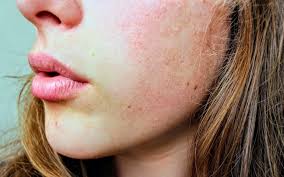
Rosacea is a Common Skin Condition that causes redness and visible blood vessels in your face. It may also produce small, red, pus-filled bumps. So, These signs and symptoms may flare up for weeks to months and then diminish for a while. I can mistake Rosacea for the ball being shot, So, which can be mistaken for acne, other skin problems, or natural ruddiness.
Rosacea can affect anyone, But it’s most common in middle-aged women who have light skin. But, There’s no cure for rosacea, but treatment can control and reduce the signs and symptoms. If you think you might have rosacea, and it’s essential to see a dermatologist for diagnosis and appropriate treatment. What is Rosacea ? Cause and Treatment of Rosacea : Guideline
The exact cause of rosacea is unknown, But various factors can trigger or aggravate it, including:
- Genetics: Rosacea tends to run in families, and suggesting a genetic component.
- Abnormalities in blood vessels: Skin specialists believe that abnormalities in blood vessels may cause the flushing and persistent redness associated with rosacea.
- Demodex mites: These microscopic mites that normally live on the skin may be more abundant in people with rosacea.
- H. pylori bacteria: Some studies suggest that a common bacterium called H. pylori, which causes gastrointestinal problems, might play a role in rosacea.
- Sunlight: Exposure to sunlight can worsen rosacea.
- Hot beverages and spicy foods: These can cause rosacea to flare up in some people.
- Alcohol: Alcohol consumption, particularly red wine, and can trigger rosacea signs and symptoms.
- Rosacea can be classified into four subtypes based on its signs and symptoms
- Erythematotelangiectatic rosacea: This subtype primarily involves facial redness and flushing.So, It can also cause visible blood vessels.
- Papulopustular rosacea: This subtype is associated with acne-like breakouts and often affects middle-aged women.
- Ocular rosacea: This subtype affects the eyes, causing redness, dryness, and irritation . It can also lead to swollen eyelids and styes
Treatment for rosacea typically involves a combination of lifestyle changes, skincare, and medication. Some common treatments include:
- Topical medications: These include creams or gels that can help reduce redness and inflammation.
- Oral antibiotics: The doctor may prescribe oral antibiotics to reduce inflammation and control bacteria on the skin.
- Isotretinoin: In severe cases, the doctor may prescribe isotretinoin to help control symptoms.
- Laser therapy: This can help reduce redness and visible blood vessels.
- Skincare: Using gentle skincare products So avoiding triggers like harsh chemicals, hot water, and sun exposure can help manage symptoms.
- What is Rosacea ? Cause and Treatment of Rosacea : Guideline
Remember, it’s essential to consult a dermatologist for an accurate diagnosis and personalized treatment plan. If you have any more questions about rosacea or need further information, feel free to ask!