Pigmentation: What Is It, Its Causes, and How to Get Rid of It?
Pigmentation is one of the most common skin concerns affecting people of all ages and skin types. Whether it appears as dark spots, uneven skin tone, melasma, sunspots, or post-acne marks, It can impact confidence and overall skin appearance. Fortunately, with advancements in dermatology, pigmentation can often be managed effectively through professional treatments and a personalized skincare routine.
If you are searching for the best dermatologist or the best dermatologist in UAE, understanding the causes of pigmentation and the available treatment options is the first step toward achieving clearer, healthier-looking skin.
What Is Skin Pigmentation?
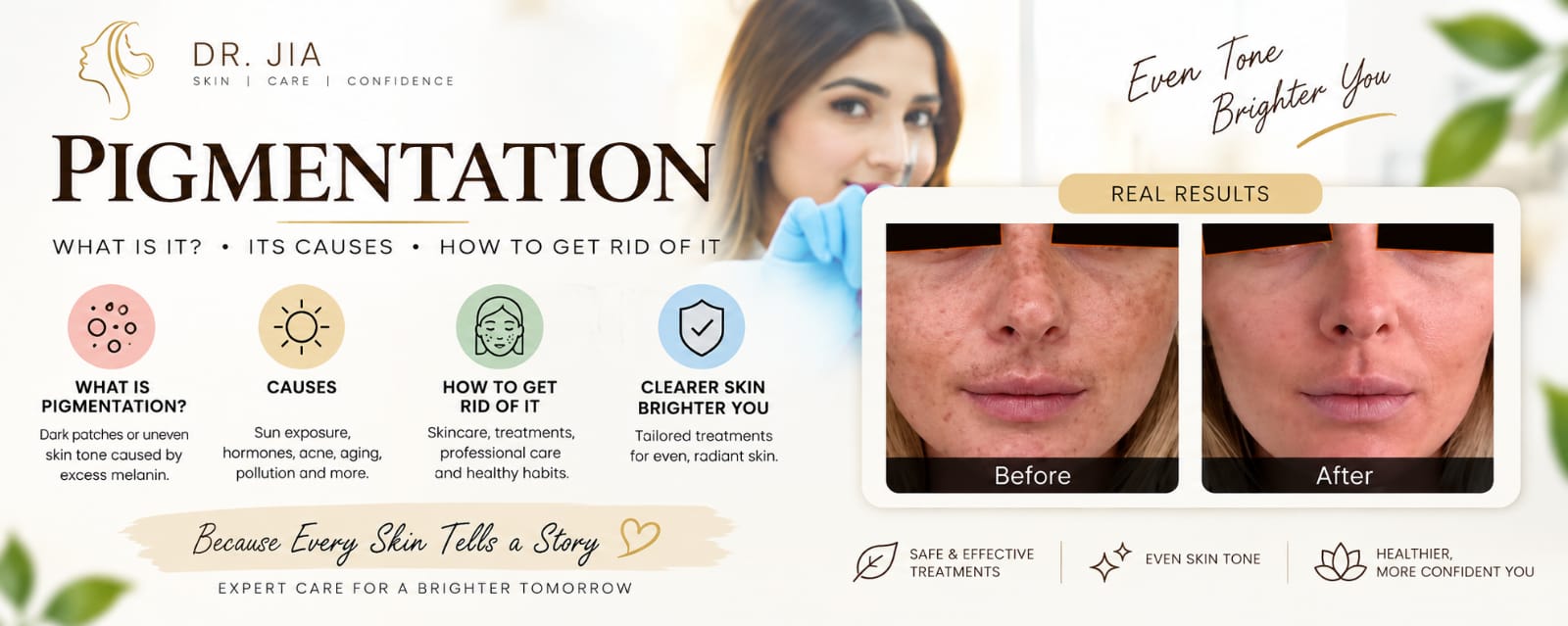
Skin pigmentation refers to the natural coloring of your skin, which is determined by a pigment called melanin. Melanin is produced by specialized cells known as melanocytes. It protects the skin from harmful ultraviolet (UV) radiation and gives the skin its unique tone.
When melanocytes produce too much melanin, dark patches or spots develop. This condition is known as hyperpigmentation. Conversely, when melanin production decreases, lighter patches can appear, known as hypopigmentation.
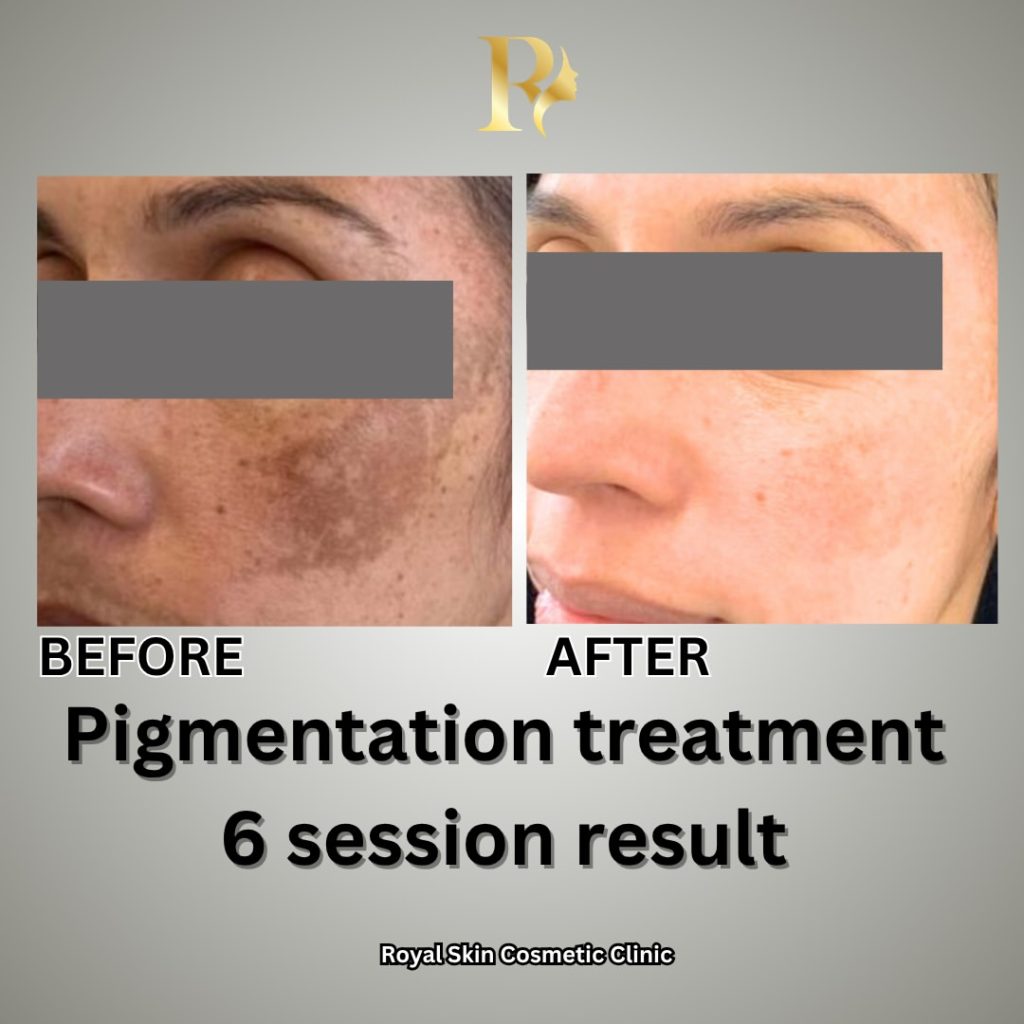
Hyperpigmentation is far more common and includes conditions such as:
Melasma
Sunspots (Age Spots)
Freckles
Post-Inflammatory Hyperpigmentation (PIH)
Acne Marks
Dark Spots
Uneven Skin Tone
Types of Pigmentation
1. Melasma
Melasma appears as symmetrical brown or grayish patches, most commonly on the cheeks, forehead, upper lip, and chin. It frequently affects women and is often triggered by hormonal changes, pregnancy, or birth control pills. If You want a Best Pigmentation treatment in Dubai, UAE Contact us
2. Sunspots (Solar Lentigines)
These develop after years of sun exposure and are commonly seen on the face, neck, hands, shoulders, and arms.
3. Post-Inflammatory Hyperpigmentation
After acne, eczema, burns, insect bites, or skin injuries heal, they may leave behind dark marks. This type of pigmentation is particularly common in individuals with medium to darker skin tones.
4. Freckles
Freckles are small pigmented spots that usually develop due to genetics and increased sun exposure.
What Causes Pigmentation?
Several factors contribute to excess melanin production.
Sun Exposure
Ultraviolet rays are the leading cause of pigmentation. The skin naturally produces more melanin to protect itself from UV damage, leading to tanning and dark spots over time.
Hormonal Changes
Pregnancy, hormonal medications, menopause, and thyroid disorders can stimulate melanin production, causing melasma.
Acne and Skin Inflammation
Inflammation from acne, eczema, allergic reactions, or injuries can trigger post-inflammatory pigmentation.
Aging
As people age, years of accumulated sun exposure can result in age spots and uneven pigmentation.
Genetics
Some people inherit a greater tendency to develop freckles, melasma, or other forms of pigmentation.
Certain Medications
Some antibiotics, anti-seizure medications, chemotherapy drugs, and hormonal medications may increase skin sensitivity to sunlight and contribute to pigmentation.
Cosmetic Procedures
Improperly performed chemical peels, laser treatments, or aggressive skincare can sometimes lead to pigmentation, especially if aftercare instructions are not followed.
Common Symptoms
Pigmentation may appear as:
- Brown spots
- Black spots
- Gray patches
- Uneven skin tone
- Acne scars
- Dark circles
- Large discolored facial patches
The pigmentation may remain stable or gradually worsen if the underlying cause is not addressed.
Who Is at Risk?
Anyone can develop pigmentation, but the risk increases if you:
- Spend long hours in the sun
- Do not wear sunscreen
- Have acne-prone skin
- Experience hormonal changes
- Have a family history of melasma
- Have medium to dark skin tones
- Smoke regularly
- Use harsh skincare products
How Is Pigmentation Diagnosed?
A dermatologist will evaluate:
- Medical history
- Hormonal factors
- Medication use
- Sun exposure habits
- Skin examination
In some cases, additional tests may be recommended if an underlying medical condition is suspected.
Consulting the best dermatologist ensures an accurate diagnosis and a personalized treatment plan tailored to your skin type.
How to Get Rid of Pigmentation
The most effective treatment depends on the type, depth, and cause of pigmentation.
1. Daily Sunscreen
Sunscreen is the foundation of every pigmentation treatment plan.
Choose a broad-spectrum sunscreen with SPF 30 or higher and reapply every two hours when outdoors.
Without sun protection, professional treatments may produce limited results.
Suggested Product:
If You have Asian Skin and live in Pakistan you Use LUMIMATT SPF 60 By Kafe Skincare
2. Topical Creams
Dermatologists may recommend products containing ingredients such as:
- Vitamin C
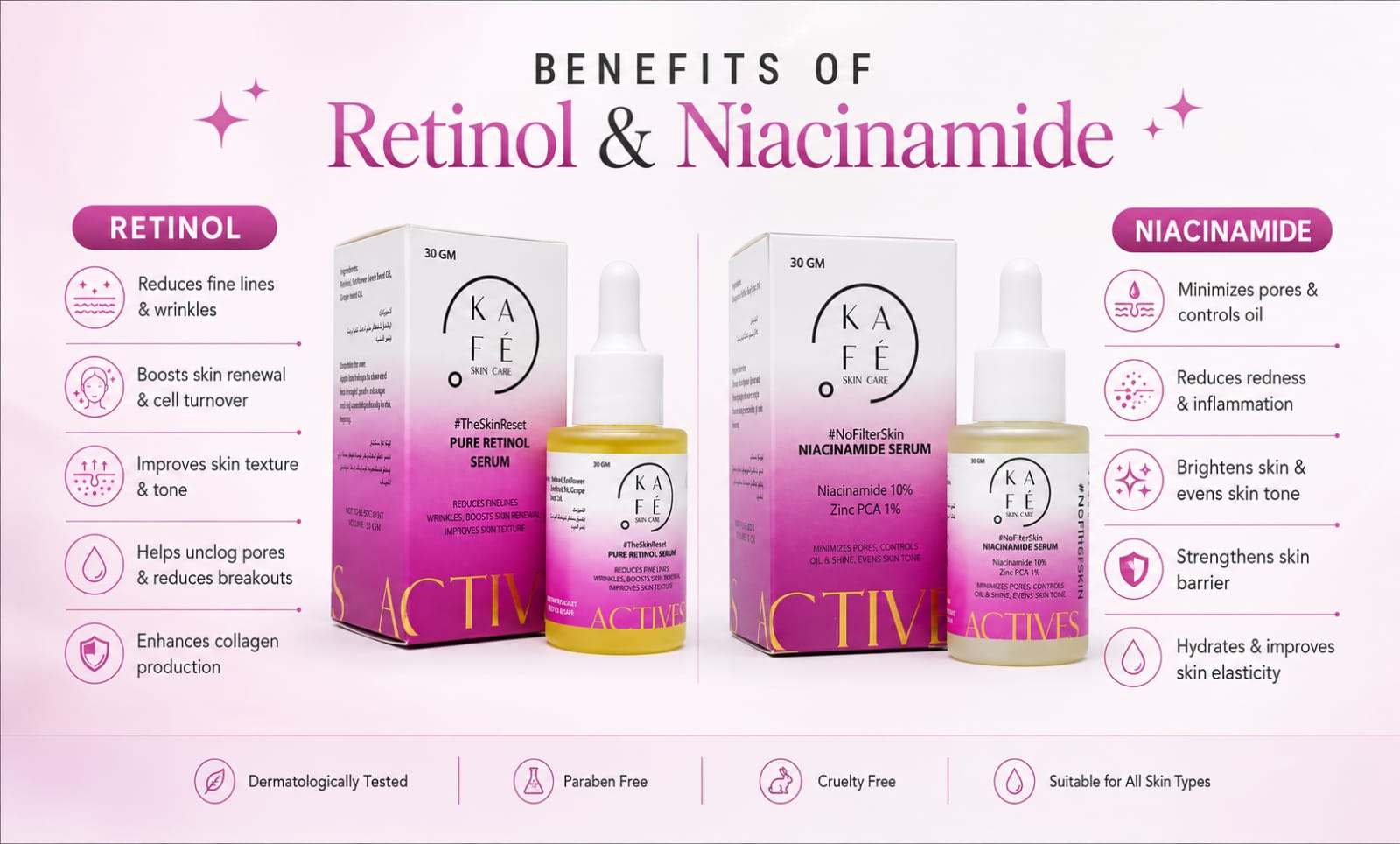
- Niacinamide
- Azelaic Acid
- Kojic Acid
- Alpha Arbutin
- Retinoids
- Tranexamic Acid
- Hydroquinone (under medical supervision)
These ingredients gradually help reduce the appearance of dark spots and improve overall skin tone.
Suggested Product: By By Pigmentation cream by KAFE SKINCARE
3. Chemical Peels
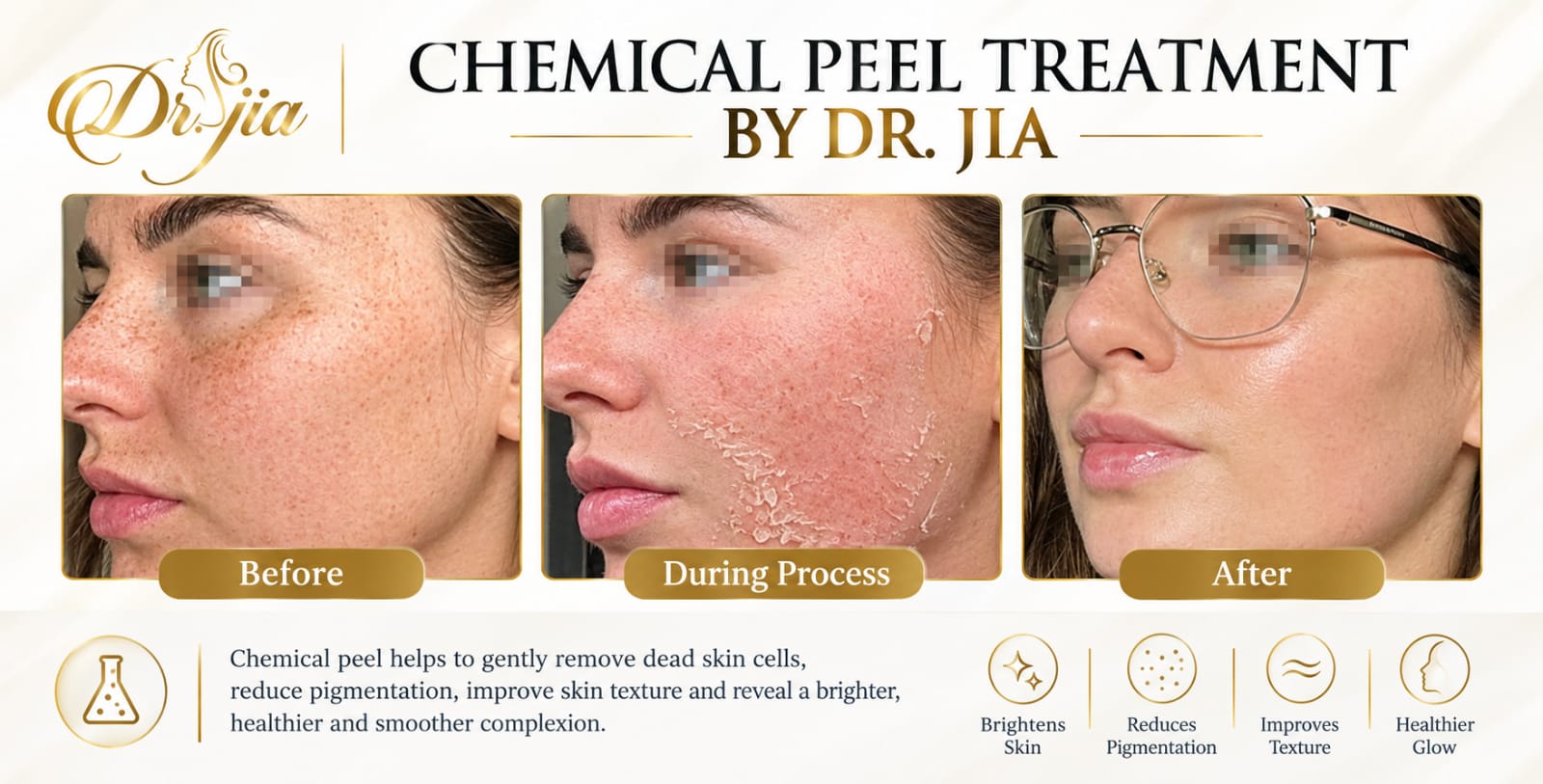
Chemical peels gently exfoliate the outer layers of the skin, encouraging new cell turnover and improving pigmentation, acne scars, and sun damage.
Multiple sessions are often recommended for optimal results.
Suggested Product : FRUIT FUSION PEEL By KAFE SKINCARE
4. Laser Pigmentation Removal
Laser technology targets excess melanin while minimizing damage to surrounding skin.
Laser treatment is commonly used for:
- Sunspots
- Age spots
- Freckles
- Certain types of melasma
- Post-inflammatory pigmentation
Treatment should always be performed by a qualified dermatologist to reduce the risk of complications. If want a Laser Treatment in UAE and search Best Dermatologist Contact Dr Javeria jia
5. Microneedling
Microneedling stimulates collagen production and enhances skin renewal. It is often combined with specialized serums to improve pigmentation and acne scars. . If want a Microneedling in UAE and search Best Dermatologist Contact Dr Javeria jia
6. Medical Facials
If want a Professional treatment such as HydraFacial®, brightening facials, and customized medical facials can improve skin texture and complement other pigmentation treatments in UAE, and search Best Dermatologist Contact Dr Javeria jia
7. Combination Therapy
Many patients achieve the best outcomes through a combination of:
- Prescription skincare
- Sunscreen
- Chemical peels
- Laser treatments
- Lifestyle modifications
Home Care Tips
To support professional treatment:
- Wear sunscreen every day.
- Use gentle cleansers.
- Avoid picking pimples.
- Stay hydrated.
- Eat a balanced diet rich in antioxidants.
- Wear hats and sunglasses outdoors.
- Avoid excessive heat exposure.
- Follow your dermatologist’s skincare recommendations consistently.
Ingredients That Help Fade Pigmentation
Several ingredients have been shown to improve the appearance of pigmentation over time:
Vitamin C
An antioxidant that helps brighten the skin and reduce visible discoloration.
Niacinamide
Supports the skin barrier and helps reduce uneven pigmentation.
Retinol
Encourages cell turnover and can improve the appearance of dark spots with consistent use.
Azelaic Acid
Often recommended for acne-prone skin and post-inflammatory pigmentation.
Alpha Arbutin
Helps reduce excess melanin production while being suitable for many skin types.
Kojic Acid
Commonly used in brightening formulations to improve the appearance of pigmentation.
Can Pigmentation Be Prevented?
While not every type of pigmentation can be prevented, you can significantly reduce your risk by:
- Wearing sunscreen every day
- Limiting direct sun exposure
- Using protective clothing
- Treating acne early
- Avoiding harsh skincare products
- Following a dermatologist-recommended skincare routine
When Should You See a Dermatologist?
You should consult a dermatologist if:
- Dark spots continue to increase.
- Pigmentation changes rapidly.
- Over-the-counter products are not helping.
- You develop large patches of discoloration.
- Pigmentation affects your confidence or quality of life.
An experienced dermatologist can identify the underlying cause and recommend the safest and most effective treatment options.
Why Choose the Best Dermatologist?
It is not the same for every individual. What works for one person may not work for another. Self-treatment or using unverified skincare products can sometimes worsen pigmentation.
Choosing the best dermatologist ensures:
- Accurate diagnosis
- Customized treatment plans
- Advanced laser technology
- Medical-grade skincare recommendations
- Safe procedures performed under expert supervision
- Long-term skin health management
If you are looking for the best dermatologist in UAE, and choose a clinic that offers comprehensive skin assessments, evidence-based treatments, modern technology, and experienced specialists who understand different skin types and its conditions Contact Dr Javeria jia.
Frequently Asked Questions
Can pigmentation disappear naturally?
Some forms, such as mild post-inflammatory pigmentation, may gradually fade over several months. Others, including melasma and sunspots, often require professional treatment for noticeable improvement.
How long does treatment take?
The timeline varies depending on the type and severity. Some patients notice improvement within a few weeks, while others may require several months of consistent treatment.
Is laser treatment safe?
When performed by an experienced dermatologist, laser treatment is generally safe and effective for many types of pigmentation. Your dermatologist will determine whether laser therapy is appropriate for your skin type and condition.
Can pigmentation return?
Yes. It can recur, especially with continued sun exposure or hormonal triggers. Daily sunscreen use and a maintenance skincare routine are essential for long-term results.
Final Thoughts
Pigmentation is a common skin concern, but it doesn’t have to be permanent. Understanding its causes and seeking timely treatment can make a significant difference in achieving a brighter, more even complexion. Whether it is caused by sun exposure, acne, hormonal changes, or aging, a tailored treatment plan developed by the best dermatologist can help restore your skin’s appearance safely and effectively. So IF you have any Skin Issue Contact Us
If you’re searching for the best dermatologist in UAE, look for a trusted clinic that combines experienced specialists, advanced diagnostic techniques, and personalized treatment plans. With the right medical guidance, consistent skincare, and proper sun protection, you can reduce it, improve skin tone, and maintain healthy, radiant skin for years to come.