hair loss, types,Causes and treatment
Hair fall, also known as alopecia, is a common concern that many people face. There are various causes of hair fall that can be addressed by a dermatologist. One of the primary causes is genetics, known as androgenetic alopecia. This hereditary condition can lead to hair thinning and eventual hair loss. Another common cause is hormonal changes, such as imbalances in thyroid hormones, which can affect hair growth cycles. Hair loss types causes and treatment
Furthermore, nutritional deficiencies, particularly of iron, zinc, and vitamin D, can contribute to hair fall. Stress is also a significant factor that can lead to hair loss. When the body is under stress, it can disrupt the hair growth cycle, leading to shedding. Additionally, certain medical conditions like alopecia areata, scalp infections, and autoimmune diseases can result in hair fall.
It’s essential to consult a best dermatologist in UAE if you are experiencing hair fall to determine the underlying cause. A dermatologist can conduct a thorough evaluation of your scalp. Hair health to diagnose the specific reason for your hair fall. Treatment options may include topical medications, oral supplements, lifestyle modifications. In some cases, procedures like PRP therapy or hair transplants. Remember, early intervention and proper care can help manage and even reverse hair fall effectively.
As a Best dermatologist in UAE specializing in hair health, I would be glad to provide you with detailed information about the various types of hair fall. Hair fall, or alopecia, can manifest in different forms, each with its unique characteristics and causes. Understanding these types can help pinpoint the underlying issue and guide appropriate treatment. Let’s delve into the diverse types of hair fall:
Types of Hair Fall
1. Androgenetic Alopecia:
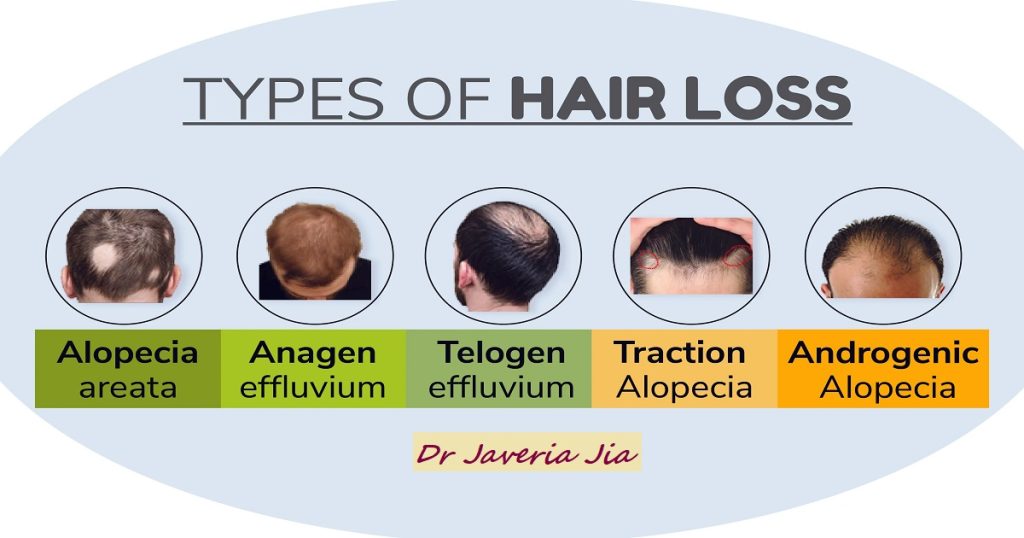
Androgenetic alopecia, also known as male or female pattern baldness, is the most common type of hair loss. It is hereditary and linked to genetics and hormones. In men, it typically presents as a receding hairline and thinning at the crown, while in women, it leads to overall thinning of the hair. This type of hair loss is gradual and progressive.
2. Alopecia Areata:
Alopecia areata is an autoimmune condition where the immune system mistakenly attacks hair follicles, leading to hair loss in patches. It can occur suddenly and affect any hair-bearing area of the body. In some cases, it can progress to total hair loss (alopecia totalis) or loss of all body hair (alopecia universalis).
3. Telogen Effluvium:
Telogen effluvium is a type of temporary hair loss characterized by a sudden shedding of hair. It is often triggered by significant stress, illness, hormonal changes, childbirth, or certain medications. In telogen effluvium, a large number of hair follicles enter the resting (telogen) phase prematurely, resulting in increased hair shedding.
4. Anagen Effluvium:
Anagen effluvium is hair loss that occurs during the active growth phase of the hair cycle (anagen phase). It is commonly associated with chemotherapy or radiation therapy, which affects rapidly dividing cells, including hair follicles. This type of hair loss is usually sudden and extensive. Hair loss types causes and treatment
5. Traction Alopecia:
Traction alopecia is hair loss caused by constant pulling or tension on the hair follicles. Tight hairstyles like braids, ponytails, or extensions can lead to gradual hair loss in the affected areas. Over time, the repeated tension can damage the hair follicles and inhibit hair growth. Hair loss types causes and treatment
6. Trichotillomania:
Trichotillomania is a psychological disorder characterized by the urge to pull out one’s hair. Individuals with this condition may experience hair loss from repetitive hair pulling, leading to noticeable patches of hair loss. Treatment typically involves therapy to address the underlying psychological factors.
7. Scarring Alopecia:
Scarring alopecia, also known as cicatricial alopecia, refers to hair loss accompanied by scarring of the scalp. This type of hair loss can result from various conditions like lupus, lichen planopilaris, or traumatic injuries. The scarring hinders hair follicles’ ability to regrow hair, leading to permanent hair loss in affected areas. Hair loss types causes and treatment
Understanding the specific type of hair fall is crucial in determining the appropriate treatment approach. Consulting with a Best dermatologist in UAE can help diagnose the underlying cause of hair loss and develop a personalized treatment you needs. Early intervention and proper care are key to effectively managing different types of hair fall and promoting healthy hair growth. Hair loss types causes and treatment
As a dermatologist specializing in hair health. I’m here to provide you with a comprehensive overview of the various causes of hair fall. Understanding the underlying factors contributing to hair loss is essential in developing effective treatment strategies. Let’s explore the diverse reasons behind hair fall:
Causes behind hair fall:
1. **Genetics (Androgenetic Alopecia):**
Genetic predisposition plays a significant role in hair loss, particularly in androgenetic alopecia or male/female pattern baldness. Individuals with a family history of hair loss are more likely to experience this type of hair fall. Genetic factors can influence the sensitivity of hair follicles to hormones like dihydrotestosterone (DHT), leading to miniaturization of follicles and eventual hair thinning. Hair loss – types causes and treatment
2. **Hormonal Imbalances: **
Hormonal fluctuations can contribute to hair fall in both men and women. Conditions such as thyroid disorders, polycystic ovary syndrome (PCOS), and menopause can disrupt hormone levels, affecting the hair growth cycle. Hormones like androgens and estrogen play a crucial role in maintaining healthy hair follicles,and imbalances can lead to hair loss.
3. **Nutritional Deficiencies:**
A lack of essential nutrients in the diet can impact hair health and contribute to hair fall. Deficiencies in vitamins (such as Biotin, Vitamin D, and Vitamin E), minerals (like iron and zinc), and proteins can weaken hair strands. disrupt the growth cycle, and result in increased shedding. A balanced diet rich in nutrients is vital for healthy hair growth.
4. **Stress and Emotional Factors:**
High levels of stress, anxiety, and emotional trauma can trigger hair fall through a condition known as telogen effluvium. Stress disrupts the hair growth cycle, pushing more hair follicles into the resting phase, leading to excessive shedding. Chronic stress can also worsen existing hair loss conditions like alopecia areata.
5. **Medical Conditions:**
Various medical conditions can contribute to hair fall. Autoimmune diseases like alopecia areata cause the immune system to attack hair follicles, resulting in patchy hair loss. Scalp conditions like seborrheic dermatitis and psoriasis can also lead to hair shedding. Additionally, chronic illnesses, hormonal disorders, and certain medications can impact hair health.
6. **Environmental Factors:**
Exposure to environmental stressors can damage hair and contribute to hair fall. Factors like pollution, UV radiation, harsh chemicals in hair products, and heat styling tools can weaken hair strands, leading to breakage and thinning. Protecting hair from environmental damage is essential for maintaining its strength and vitality.
7. **Hair Care Practices:**
Certain hair care practices can contribute to hair fall, especially if done improperly or excessively. Overly tight hairstyles, frequent use of heat styling tools, harsh chemical treatments, and aggressive brushing or combing can damage hair follicles, leading to breakage and hair loss. Gentle handling and proper hair care techniques are essential for maintaining healthy hair.
age and hormonal changes
As individuals age, hormonal changes can affect hair growth and lead to hair fall. In both men and women, hormonal shifts associated with aging can impact the hair growth cycle, resulting in thinning and loss of hair density. Age-related changes in hormone levels can contribute to conditions like androgenetic alopecia.
specific causes of hair fall
By identifying the specific causes of hair fall. Best dermatologist can recommend targeted treatments to address underlying issues and promote hair regrowth. A comprehensive evaluation of medical history, lifestyle factors, and scalp health is crucial in developing a personalized approach to managing hair loss effectively. Consulting with a Best dermatologist can help individuals understand the root causes of their hair fall and embark on a journey towards healthier, fuller hair.
dermatologist specializing in hair health
As a top dermatologist specializing in hair health, addressing hair fall is a common concern among many individuals. Hair fall, also known as hair loss or alopecia, can be caused by various factors such as genetics, hormonal changes, medical conditions, stress, diet, and improper hair care practices. It is essential to understand the root causes of hair fall to provide effective solutions and promote healthy hair growth. By combining medical expertise with practical advice, I can offer comprehensive solutions to combat hair fall and promote optimal hair health.
tackle hair fall
To effectively tackle hair fall, it is crucial to adopt a holistic approach that addresses both internal and external factors contributing to hair loss. One of the primary steps in managing hair fall is to maintain a balanced diet rich in essential nutrients that support hair growth. Proteins, vitamins (especially biotin and vitamins A, C, and E), minerals like iron and zinc, and omega-3 fatty acids play a vital role in promoting healthy hair follicles and preventing excessive hair fall. Encouraging a diet that includes a variety of fruits, vegetables, lean proteins, and whole grains can significantly impact hair health. Hair loss – types causes and treatment
In addition to nutrition,
managing stress levels is crucial in preventing hair fall. High-stress levels can disrupt the hair growth cycle and lead to increased shedding. Encouraging stress-reducing activities such as yoga, meditation, exercise, or hobbies can help in maintaining a healthy mind and body, which in turn promotes healthy hair growth. Adequate sleep is also essential as it allows the body to repair and regenerate, including the hair follicles. Recommending a consistent sleep schedule of 7-9 hours per night can aid in preventing hair fall due to sleep deprivation.
Furthermore, educating individuals on proper hair care practices is essential in preventing hair fall. Using gentle shampoos and conditioners suited to one’s hair type, avoiding excessive heat styling, and minimizing the use of harsh chemicals can help maintain the strength and integrity of the hair shaft. Regular trimming to prevent split ends, using wide-tooth combs to detangle wet hair gently, and avoiding tight hairstyles that pull on the hair follicles are simple yet effective practices to reduce hair fall.
For individuals experiencing significant hair loss, medical interventions and treatments may be necessary to address the underlying causes. In cases where hormonal imbalances contribute to hair fall, prescribing medications or treatments to regulate hormone levels can help restore hair growth. For conditions like alopecia aerate or pattern baldness, treatments such as minoxidil, finasteride, or corticosteroid injections may be recommended to stimulate hair growth and prevent further loss. Hair loss – types causes and treatment
In cases where hair fall is a result of underlying medical conditions such as thyroid disorders or nutritional deficiencies, conducting thorough assessments and collaborating with other healthcare professionals may be necessary to address these issues comprehensively. By taking a personalized approach to each individual’s hair fall concerns, tailored treatment plans can be developed to address specific needs and promote optimal hair regrowth.
In conclusion, as a dedicated dermatologist specializing in hair health, combating hair fall requires a multifaceted approach that addresses both internal and external factors influencing hair loss. By emphasizing the importance of nutrition, stress management, proper hair care practices, and personalized medical interventions when needed, individuals can effectively prevent excessive hair fall and promote healthy hair growth. Through a combination of education, support, and evidence-based treatments, individuals can regain confidence in their hair health and achieve long-lasting results. Hair loss – types causes and treatment
As a top dermatologist specializing in hair health, I understand the concerns and frustrations that come with experiencing hair fall. Hair fall, also known as hair loss or alopecia, can be distressing, but there are effective solutions and tips to help combat this issue and promote healthy hair growth. In this comprehensive guide, I will share valuable insights and tips on how to address hair fall, drawing on my expertise to provide you with practical advice and solutions to maintain optimal hair health.
Solutions of Hair Fall
**Understanding Hair Fall:**
Hair fall is a common condition that affects both men and women and can be caused by various factors. Some of the main reasons for hair fall include genetics, hormonal changes, medical conditions, stress, poor diet, and improper hair care practices. Identifying the underlying cause of hair fall is crucial in determining the most effective treatment and prevention strategies. By addressing these factors, you can significantly reduce hair fall and promote healthy hair growth.
**Nutrition for Healthy Hair: **
A balanced diet plays a vital role in maintaining healthy hair. Certain nutrients are essential for promoting hair growth and preventing hair fall. Proteins, vitamins (especially biotin and vitamins A, C, and E), minerals like iron and zinc, and omega-3 fatty acids are key nutrients that support hair health. Including foods rich in these nutrients, such as lean proteins, fruits, vegetables, whole grains, and nuts, in your diet can help nourish your hair follicles and promote strong, healthy hair growth.
**Stress Management: **
Stress is a common factor that can contribute to hair fall. High-stress levels can disrupt the hair growth cycle and lead to increased shedding. Engaging in stress-reducing activities like yoga, meditation, exercise, or hobbies can help lower stress levels and promote overall well-being, which in turn benefits hair health. Adequate sleep is also essential for managing stress and allowing the body to repair and regenerate, including the hair follicles. Aim for 7-9 hours of quality sleep each night to support healthy hair growth.
**Proper Hair Care Practices: **
Maintaining proper hair care practices is essential in preventing hair fall. Using gentle shampoos and conditioners suitable for your hair type, avoiding excessive heat styling, and minimizing the use of harsh chemicals can help protect your hair from damage and breakage. Regular trimming to prevent split ends, using wide-tooth combs to detangle wet hair gently, and avoiding tight hairstyles that pull on the hair follicles are simple yet effective ways to reduce hair fall and maintain healthy hair.
**Medical Interventions: **
In cases of significant hair loss, medical interventions and treatments may be necessary to address the underlying causes. Hormonal imbalances, medical conditions, or genetic factors can contribute to hair fall, requiring specialized treatments to stimulate hair growth and prevent further loss. Prescription medications like minoxidil, finasteride, or corticosteroid injections may be recommended to promote hair regrowth and strengthen existing hair follicles.
**Personalized Treatment Plans: **
All individual’s hair fall concerns are unique, and a personalized approach is essential in developing effective treatment plans. By conducting thorough assessments and collaborating with healthcare professionals, tailored solutions can be created to address specific needs and promote optimal hair regrowth. Whether it involves addressing hormonal imbalances, nutritional deficiencies, or underlying medical conditions, a personalized treatment plan can help individuals regain confidence in their hair health.
conclusion
In conclusion combating hair fall requires a holistic approach that encompasses nutrition, stress management, proper hair care practices, and, when necessary, medical interventions. By following these tips and strategies, you can effectively reduce hair fall, promote healthy hair growth, and maintain strong, vibrant hair. Remember, consistency and patience are key when implementing these solutions, and seeking professional advice from a best dermatologist specializing in hair health can provide you with personalized guidance and support on your journey to healthier hair.